Watering and mulch basics for Aussie gardens
Last updated:
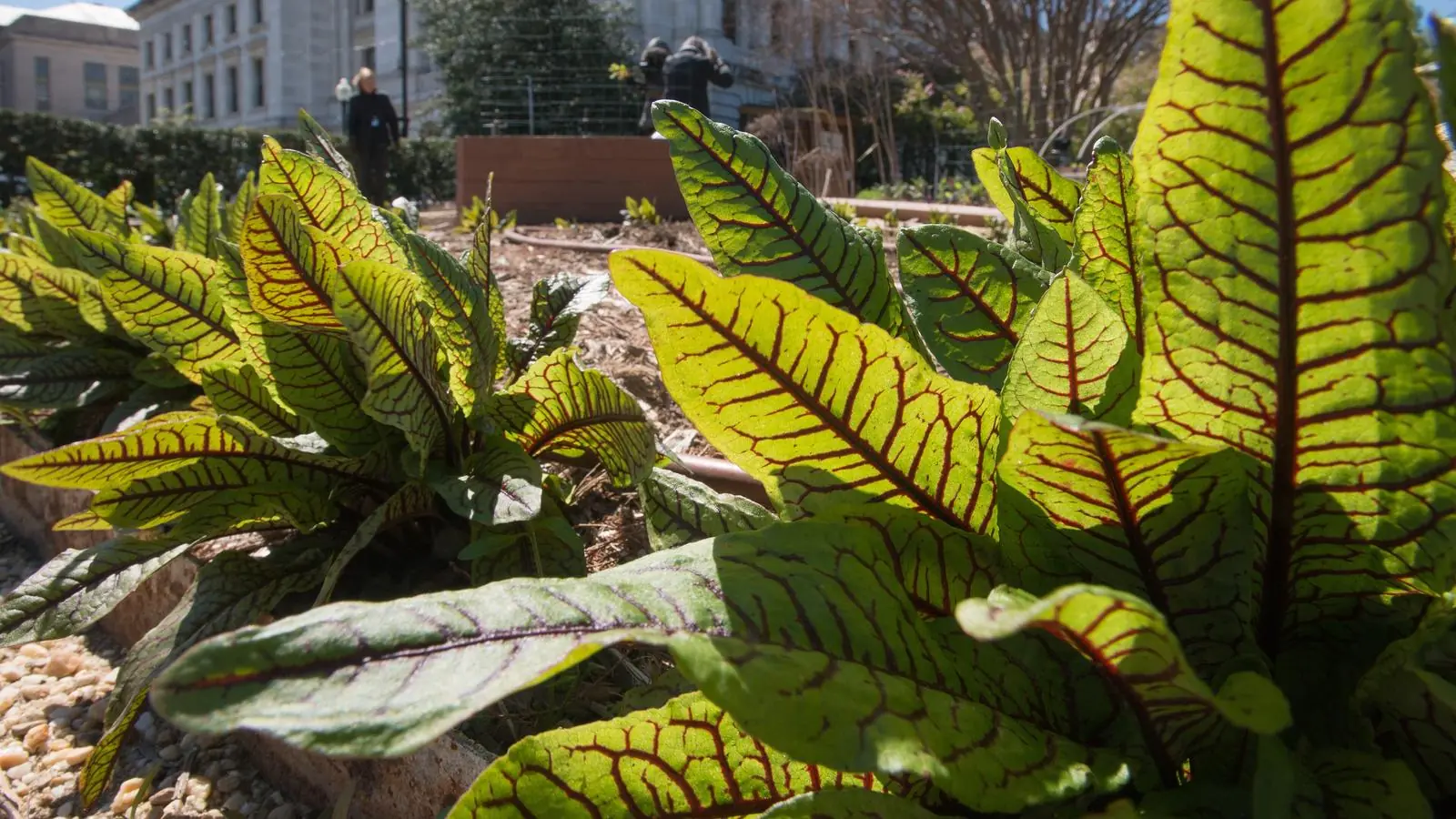
Water and mulch do a lot of the heavy lifting in a garden. Get them right and your plants cope better with hot, dry spells, and you spend less time dragging the hose around. Here's a plain-English start, with no pumps, timers or anything that plugs in.
1. Check your local water rules first
Water restrictions and permanent water-saving rules are set locally, and they change. Before you plan a watering routine, check your local water authority or council website for the rules where you live. We don't list them here, because they differ from place to place and can change at short notice.
2. Choosing a garden hose
A few things to compare before you buy: - Length. Measure from your tap to the furthest corner you need to reach, then add a little. A hose that's far too long is heavy and kinks more easily. - Diameter. Wider hoses generally carry more water, but they're heavier to move. Check the fittings on your tap match. - Kink resistance and build. Look at what the hose is made of and whether the maker says it resists kinking. Reinforced hoses are usually sturdier. - Fittings and nozzles. Check whether fittings are included and what they're made of. A nozzle with a gentle shower setting is handy for seedlings. - Storage. A hose left coiled in full sun can wear faster. A simple wall hook or reel helps it last.
3. Watering cans still earn their keep
For pots, seedlings and small beds, a watering can gives you more control than a hose. Check: - Size. A bigger can means fewer trips but more weight to carry. Fill it and imagine lugging it to the back fence. - Rose (spray head). A fine, removable rose gives a gentle shower for seedlings. Take it off for a steady pour at the base of bigger plants. - Balance and handle. A long spout and a second handle make it easier to pour without splashing.
4. Water deeply, less often
Many gardeners find a good soak every so often works better than a quick sprinkle every day, because it helps roots grow deeper. Water at the base of the plant rather than the leaves, and try early morning or evening when it's cooler. Push a finger into the soil first. If it's still damp a little way down, you can usually wait.
5. Mulch types, explained
Mulch is a layer spread over the soil to help hold in moisture, keep weeds down and even out soil temperature. Common types: - Organic mulches such as sugar cane, pea straw, lucerne, bark chips and wood chips. They break down over time and add organic matter to the soil, so you'll need to top them up. - Fine mulches (like sugar cane or pea straw) suit veggie patches and are easy to spread. - Chunky mulches (like bark or wood chips) last longer and suit garden beds and paths. - Inorganic mulches such as pebbles or gravel don't break down. They suit some dry-style or decorative gardens, but they don't feed the soil.
6. Spreading mulch well
Water the soil before you mulch, so you're locking moisture in. Keep mulch pulled back a little from plant stems and tree trunks, as mulch piled against them can cause rot. Check the bag or the supplier for how thick to spread it, and compare bags by volume, not just by sticker price.
The short version
- Check your local water authority or council for current water rules.
- Match hose length and fittings to your garden.
- Use a watering can with a fine rose for seedlings and pots.
- Water deeply and less often, at the base of plants.
- Pick a mulch to suit the bed, and keep it off stems.
We don't list prices here, because they change depending on where you are. Check the retailer's site for the current price where you are.
Related guides

Choosing pet bedding: size, materials and washing
Storage containers for decluttering: what to check

Towels and linen: what to look for before you buy
Card photos: Photo credits