Hand tools for first-time gardeners: what to look for
Updated
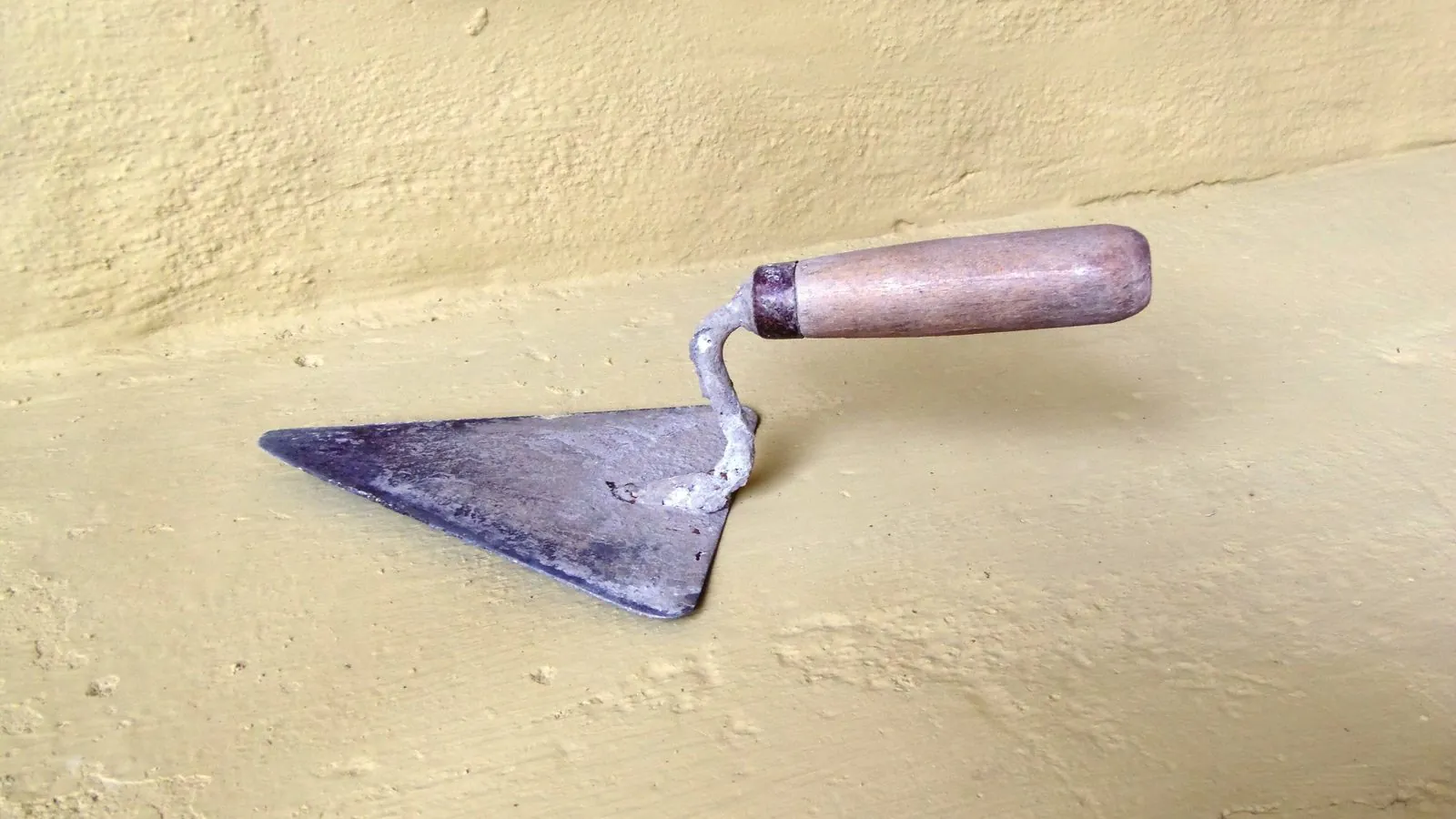
Photo: Mielon, Kielnia 001 · CC BY-SA 3.0 · cropped · All photo credits

You don't need a shed full of gear to get started. Start with the job, not a matching tool set: planting two balcony pots is different from maintaining an established garden bed. This guide covers manual hand tools only, not powered equipment.
This is a job-and-fit checklist, not a product shortlist or hands-on test. It does not rank brands or claim a cheapest option. Try tools you already have or can borrow before deciding what is missing.
If you're renting and planting balcony pots
The situation: a few herbs or flowers in containers, limited storage and no lawn or established shrubs to maintain.
Why this approach: a trowel deals with small planting holes and moving potting mix. Start there; buy pruning tools only when the plants actually need pruning. A full-size fork, spade and multi-tool gift set need storage without necessarily solving another job.
Start with what you have. Check these features before any purchase:
- Trowel: check that the blade fits between the plant and pot edge, and that the handle and full tool fit your storage. Hold a borrowed tool with your usual gardening gloves if possible. A large blade is not automatically more useful in a small pot.
- Pruning tool, only if needed: identify the plant and stem first. Check the tool’s stated cutting capacity, opening and lock against that job and your grip; do not force a cut. Paper specifications cannot establish comfort or cutting performance.
The no-buy option: keep a sound trowel you already own. For moving loose mix, an old scoop kept exclusively for gardening may avoid another purchase; don't use it to lever roots or stones. Use existing suitable clean scissors for light herb harvesting rather than buying heavy secateurs just for that job. Keep any watering can you can comfortably carry when full; check its outlet gives a gentle flow around seedlings.
Your next step: choose the first plant and pot, check the pot opening and where the tool will live, then borrow or use what you have for one planting session. Buy only the tool you actually missed.
If you're looking after an established garden bed
The situation: you already have plants in the ground and need to weed, make small planting holes and occasionally prune stems.
Why this approach: soil cultivation and pruning are separate jobs. A hand fork can work around plants in light soil; a trowel handles planting holes. Add secateurs when you can name the plants and stems you need to cut—not because a starter kit includes them. The RHS's beginner pruning guidance notes that many shrubs and trees do not need regular pruning.
Clean and check what you have first. Match the tool to a specific job:
- Hand fork: consider one only for small areas of suitable soil around plants. It is not a substitute for the right digging tool for hard ground or large roots; do not use it as a pry bar.
- Trowel: useful for small planting holes, unnecessary if your existing one is sound, and slow for preparing a large area.
- Secateurs: a separate pruning job calls for a suitable cutting tool, not simply another piece in a matching set. Check capacity and grip; do not assume a spare blade or spring fits without confirmation of the exact model.
The no-buy option: clean and inspect existing tools first. Check handles, joints and moving parts for looseness or damage; don't keep using an unsafe tool. Borrow an appropriate long-handled tool for a one-off bed renovation rather than buying a larger collection. Keep serviceable gloves that fit; choose protection for the job rather than assuming light planting gloves will protect against thorns.
Your next step: walk the bed and list three actual jobs. Check stem sizes before choosing a cutting tool, and try the opening and lock in your own hand where possible. If the work is beyond a hand tool's scope, borrow suitable equipment or seek help instead of forcing it.
Care and repair checks
Follow the instructions supplied with your exact tool. Remove dirt and dry it after use; check the maker’s instructions before applying oil, sharpening or exposing any part to heat or a dishwasher. Keep cutting edges away from children. If you cannot identify safe maintenance for a damaged tool, stop using it and seek suitable help.
Before relying on a repair, identify the model and confirm the exact part’s compatibility and availability. A part pictured on a website is not a promise of future stock or fit. A warranty term is not a promised working life. Australian consumer guarantees are separate from a seller’s warranty or change-of-mind policy.
The short version: buy for the first job, check grip and storage, care for what you have, and add another manual tool only when a real task justifies it.
Related guides

Pet food subscriptions in Australia, and how they work

Flea, tick and worming basics: where to buy, without the upsell

Outdoor furniture: what to look for before the summer sales
Card photos: Photo credits