Cutting food waste at home: simple, practical steps
Last updated:
Throwing out food is like throwing out money. The good news is that a few small habits can make a real difference. Here's how to store food well, plan your shop and make the most of leftovers.
1. Shop with a plan
- Check first. Look in the fridge, freezer and pantry before you write your list.
- Plan a few meals. Plan dinners for the next few nights, and leave a gap for leftovers or a night out.
- Buy what you'll use. A multi-buy is only a saving if you eat it all. For perishables, buying a smaller amount more often can mean less waste.
Our meal planning guide goes into this in more detail.
2. Store food so it lasts
- Read the pack. Follow the storage instructions on the label, especially "refrigerate after opening".
- Keep the fridge tidy. If you can see it, you're more likely to eat it. Put older food at the front and newer food at the back.
- Use the crisper. Keep fruit and veg in the crisper drawer, and check it often.
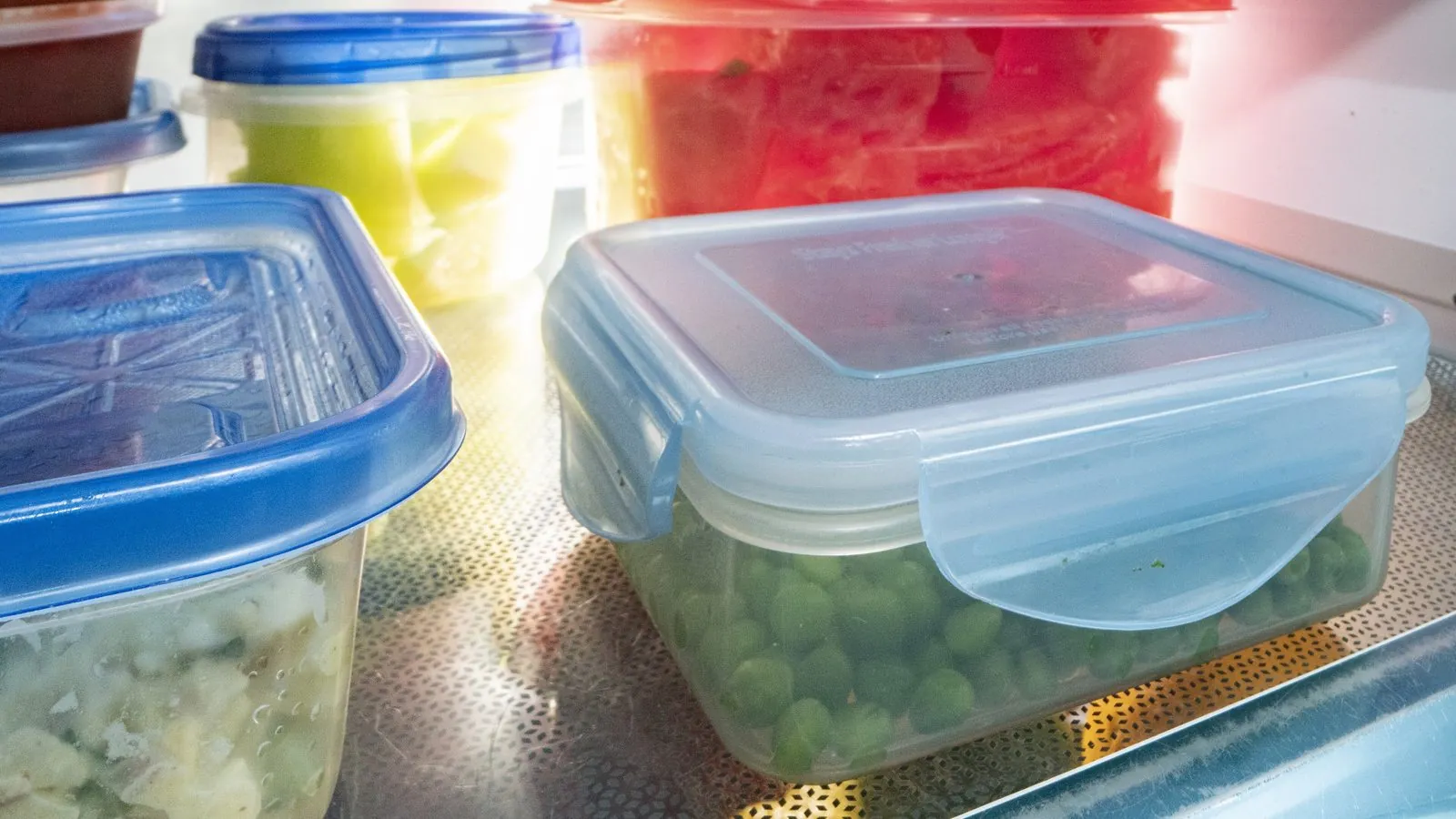
- Use airtight containers. They help leftovers and opened food keep better, and you can see what's inside.
- Label and date. Pop a label on leftovers and freezer bags with what it is and the date you made it.
3. Make friends with your freezer
The freezer is your best tool against waste. Bread, stock, grated cheese and many leftovers can be frozen in portions. Freeze in meal-sized amounts so you only thaw what you need. For guidance on how to freeze, thaw and reheat safely, check FSANZ (link below).
4. Get creative with leftovers
- Plan a "use it up" night. Once a week, cook from whatever needs eating: fried rice, frittata, soup, pasta bake or a stir-fry.
- Repurpose. Roast veg can become a salad or soup. Stale bread can become breadcrumbs or croutons.
- Pack lunches. Leftovers make easy lunches for work or school.
5. Understand date labels
"Use by" and "best before" don't mean the same thing. FSANZ explains the difference, and how to handle and store food safely, on its website: FSANZ food safety basics. When in doubt about whether food is safe, follow their guidance, not a guess.
6. Deal with scraps
Some waste can't be avoided, like peels, cores and eggshells. Many of these can go in a compost bin or worm farm. Our composting and worm farms guide has the basics. Some councils also offer food and garden waste bins, so check your council's website for what's available where you live.
7. Keep track for a week
If you're not sure where waste is coming from, jot down what you throw out for a week. You'll quickly spot patterns, like the bag of salad that never gets eaten or the loaf that goes stale. Then adjust your shopping list to match.
The short version
- Check what you've got and shop with a plan.
- Store food well and keep the fridge tidy.
- Freeze in portions and label with dates.
- Plan a "use it up" night for leftovers.
- Check FSANZ for date labels and food safety.
- Compost scraps where you can.
We don't list prices here, because they change depending on where you are. Check the retailer's site for the current price where you are.